
When you move into a new place or start to work on your home, either planning renovations or maintenance, you may not know that you need asbestos removal in Toronto, which makes it hard to avoid asbestos exposure. There are a few indications that asbestos could’ve been used in your home during construction, but the best way to be sure about the potential hazard is with a home air quality test. At Inch By Inch Inspections, we offer thorough inspections, including a visual assessment, sample collection, and laboratory testing.
Here are some tips to avoid asbestos exposure at home.
Know the History of Your Property
 Around 1985, asbestos was an extremely popular additive in construction materials because of its ability to fortify or enhance the performance of essential building components, as well as its abundance and affordability. If your home was constructed or renovated around this period of time, you might find yourself in need of asbestos removal in Toronto. To effectively avoid exposure, don’t start any work on your property until you’ve contacted the Inch By Inch Inspections team for a home air quality test.
Where to Expect Asbestos
Because of its favourable properties, asbestos was used in many materials. A good way to stay away from asbestos is to know where to expect the mineral. Asbestos comes from naturally occurring rock, but homeowners should be on the lookout for asbestos-containing materials around the house, especially in the attic and basement; but other rooms can be contaminated too.
Asbestos was used heavily in roofing materials, cement, vermiculite insulation, drywall, popcorn ceilings, pipe/duct wrap, vinyl tiles, and flooring. Inspections and assessments from professionals will highlight the asbestos-containing materials in your home and equip you with the tools and information you need to be safe.
What Causes Asbestos Exposure
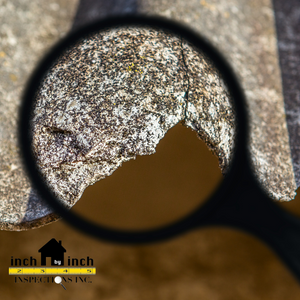
In some cases, asbestos-containing materials are not an active threat. The risk of asbestos is determined by the percent of contamination, the type of asbestos, and its friability. Friable asbestos is where the fibres of the mineral are deteriorating, which is considered high risk. Non-friable asbestos may be encapsulated or in good condition. As the mineral ages, the likelihood of it deteriorating is significantly higher.
Airborne asbestos minerals can be triggered easily by even the most minor contact when the material is friable. Actions like cutting, sawing, wetting, touching, or even seemingly mild gusts of air can send small particles into the air, where they continue to divide until they become microscopic. At this point, asbestos fibres are primed for inhalation, which can lead to chronic illnesses such as mesothelioma. If you see asbestos, don’t touch it. Evacuate, contain, and seal the area, and call Inch By Inch Inspections to confirm asbestos contaminations and make recommendations in regards to asbestos removal in Toronto.
Protecting Yourself From Asbestos
The best way to protect you and your loved one from asbestos exposure is with preventative action, i.e. inspections, home air quality testing, and abatement before beginning any potentially hazardous activities such as plumbing maintenance or renovations. If you have to be around asbestos, wear a respirator and a disposable jumpsuit designed for the mineral specifically.
Don’t risk being sick. Contact Inch By Inch Inspections for a safer home.