
Despite our best intentions, the air inside our properties may become polluted by various contaminants. Sometimes, a mistake can easily trigger the release of volatile organic compounds, such as asbestos, or problems with the infrastructure can leak chemical toxins, like carbon monoxide or smoke. To ensure your indoor air is safe and healthy, professional air quality testing is in your best interest. Home air quality tests are a helpful tool that helps detect harmful pollutants and contaminants in the air. For comprehensive air quality testing, contact Inch By Inch Inspections.
Here’s a guide on the importance of conducting home air quality tests.
Improve Your Health
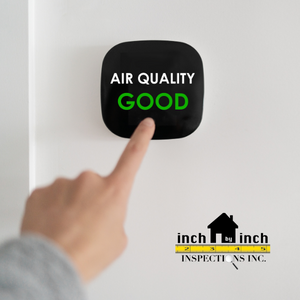 Poor indoor air quality often causes problems for your health, and you may only notice once the symptoms become serious. However, by conducting routine home air quality tests, you’ll be able to minimize the effects of pollutants and improve your health. By having good indoor air quality and better health, you’ll sleep better and feel more energized.
Minimize Allergens & Indoor Pollutants
Allergens are inevitable. Allergens in the air can come from pet dander, dust, damp areas, soft, porous furniture, carpet, and mold spores. Mold spores constantly circulate our environment and often get inside properties by attaching themselves to people, clothes, shoes, or pets. If mold spores settle and fester in your property, your indoor air quality will be significantly impacted, and you’ll feel like you have constant allergies. However, with professional indoor air quality testing from Inch By Inch Inspections, our team will identify all allergens in your property, including mold, and help you improve your indoor air quality.
Identify and Remove Odours
There are often very few signs when identifying poor indoor air quality, but the most significant indicator is your nose. Your nose and sense of smell act like your indoor air quality test. If you notice a new and unusual odour taking over the inside of your property, there’s likely a significant problem, whether it be allergens or a problem with the infrastructure. When it comes to strange and persistent smells in your property, contact Inch By Inch Inspections for air quality testing to help identify any unusual odours in your residential or commercial property.
Common Contaminants and Potential Effects
Common contaminants that affect indoor air quality range from carbon dioxide, allergens, mold, asbestos, and bacteria. Most indoor air contaminants become an issue due to improper ventilation and poor air circulation. Health effects you may experience depend on the contaminant you’ve been exposed to; for instance, carbon monoxide may lead to nausea, shortness of breath, and migraines. However, mold exposure will cause symptoms similar to the common cold, like sneezing, coughing, and congestion.
Why Schedule Air Quality Testing with Inch By Inch Inspections
The air you breathe in your office or home should not make you sick, which is why indoor air quality is critical. The experienced and trusted team at Inch By Inch Inspections will conduct thorough testing and utilize tools and tactics to improve your indoor air quality.
Ready to improve your indoor air quality?